NSF digitization project opens access to millions of African plant specimens

LAWRENCE — A National Science Foundation grant led by Town Peterson, University Distinguished Professor of Ecology & Evolutionary Biology and senior curator with the KU Biodiversity Institute & Natural History Museum, is uniting 21 U.S. herbaria, biodiversity data specialists and African researchers to create one of the largest digital resources of tropical African seed plants ever assembled.
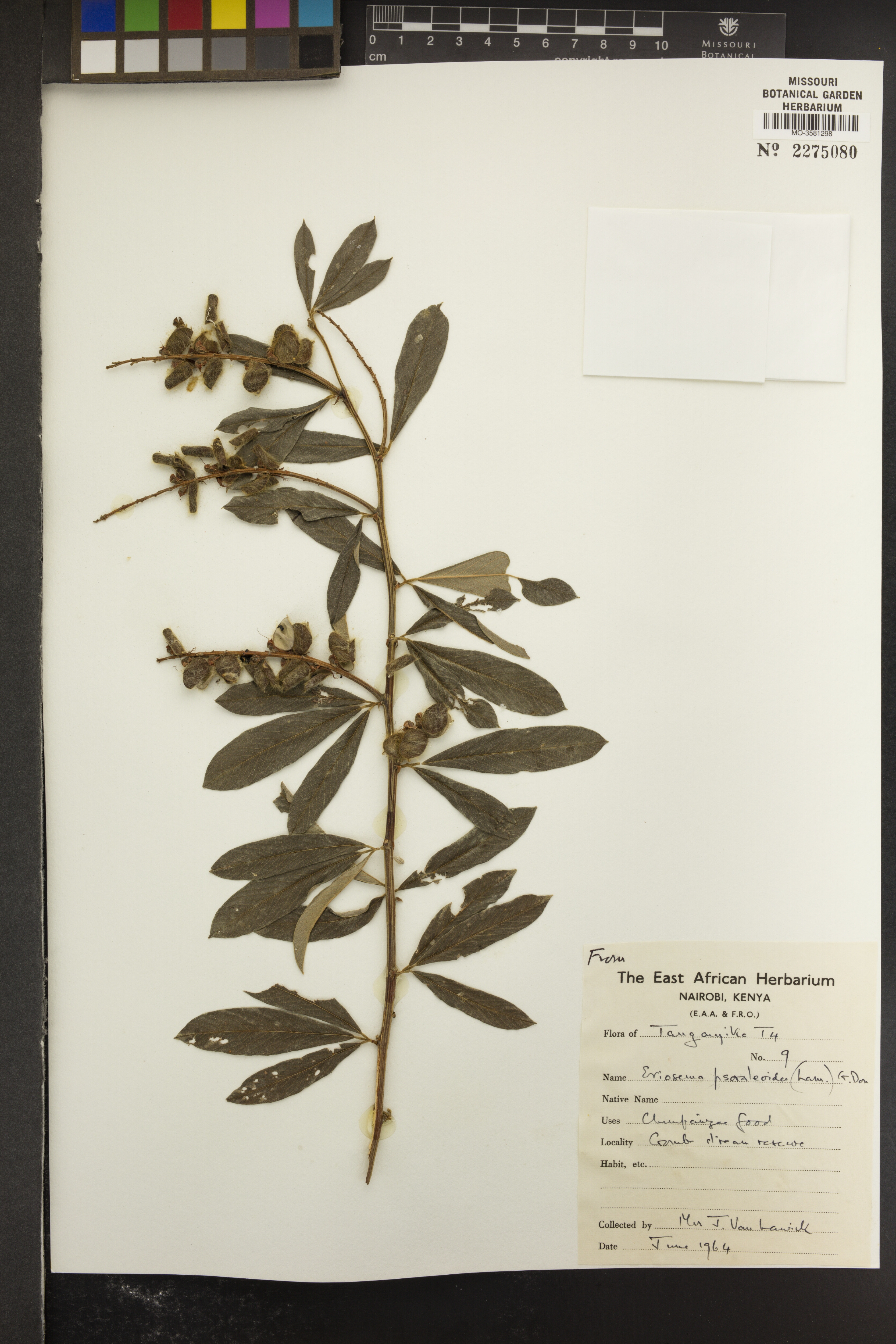
The project’s goal is straightforward but powerful: digitize data associated with millions of plant specimens collected across Africa and stored in U.S. museums and universities, and make that information accessible to researchers, students and the public worldwide.
“Herbaria have had many competing demands on their limited resources for digitizing specimens and associated data, so this project incentivized digitizing data from plant specimens collected across tropical Africa,” Peterson said. “The result will be an enormous increase in availability of high-quality records of plant species occurrences across the continent, which will see immediate use by scientists both in Africa and worldwide.”
Participating museums and herbaria contribute specimen records to the African Plants data portal, developed by KU-based Symbiota, an open-source software for managing and mobilizing biodiversity data. The portal now provides access to more than 2.6 million specimen records, including more than 2 million high‑resolution images and more than 1 million records with geographic coordinates that allow researchers to map where each plant was originally collected.
Peterson’s team at KU then works on the “downstream” side of the project by verifying information, improving accuracy, adding geographic details and ensuring each record meets high-quality standards before it is openly shared. This carefully curated resource will be a major contribution to urgent biodiversity conservation needs.
The project also brings renewed attention to extraordinary historical collections. Among them are rare plant specimens collected in 1964 by Jane Goodall, then using her married name, Mrs. J. Van Lawick, and preserved today at the Missouri Botanical Garden.
These specimens offer a remarkable window into both botanical history and Goodall’s early work in Africa, Peterson said.
Together, these efforts show how museum collections continue to grow in relevance, illuminating the past, inspiring curiosity and supporting global conservation efforts for generations to come, he said.
The National Science Foundation grant is award number DBI-2223875. The KU Symbiota is award number DBI-2223878. The Missouri Botanical Garden award is DBI-2223879.