Vertebrate Paleontology News & Updates
Latest News
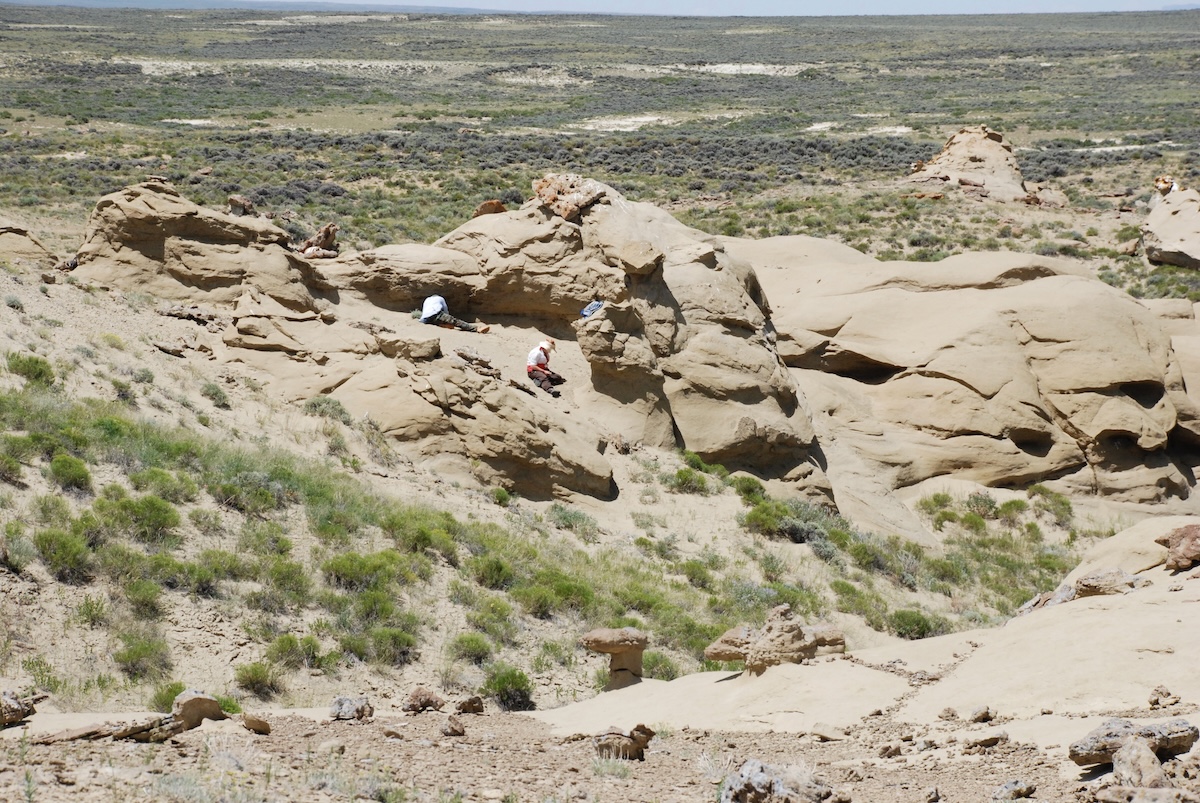
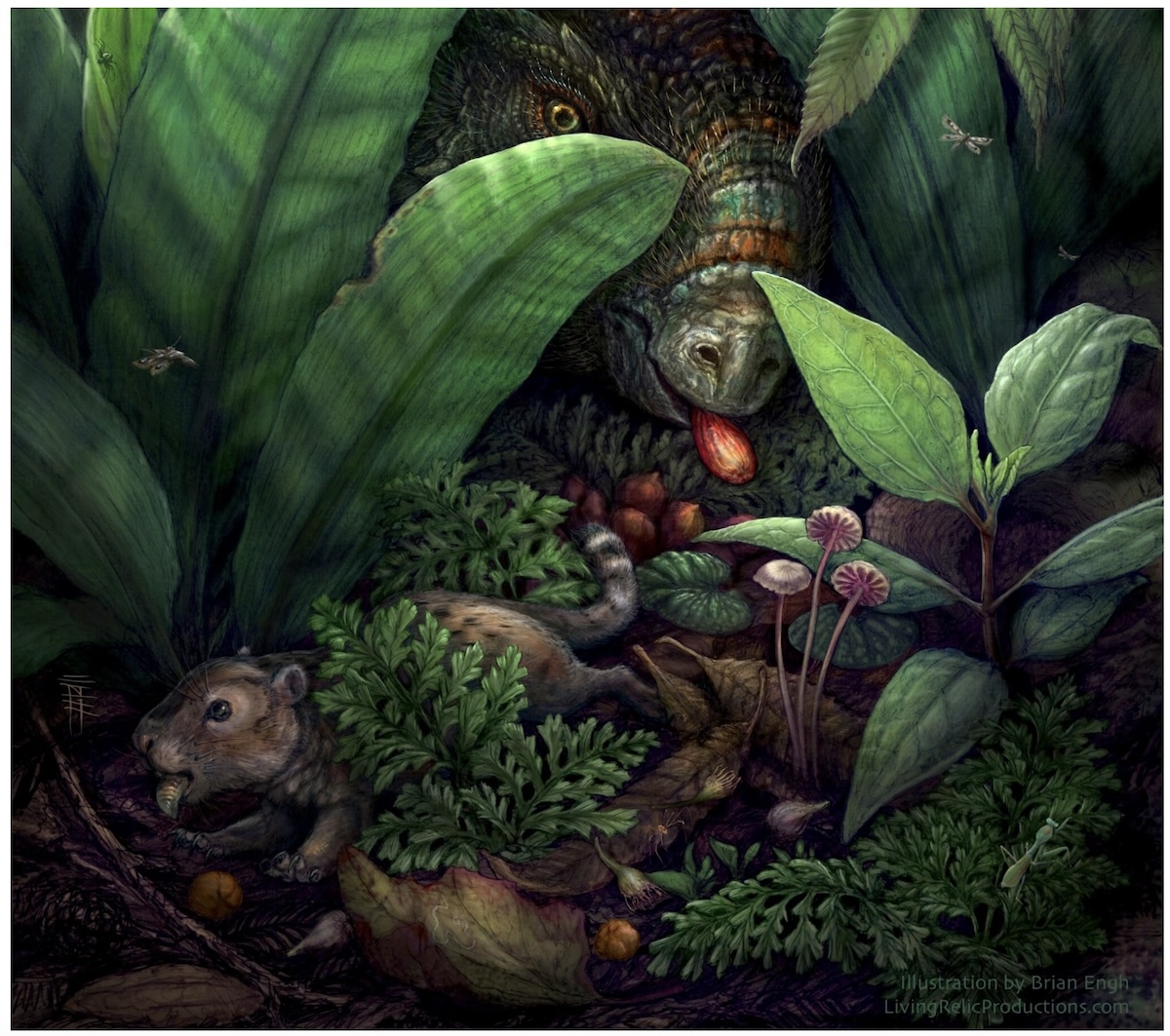
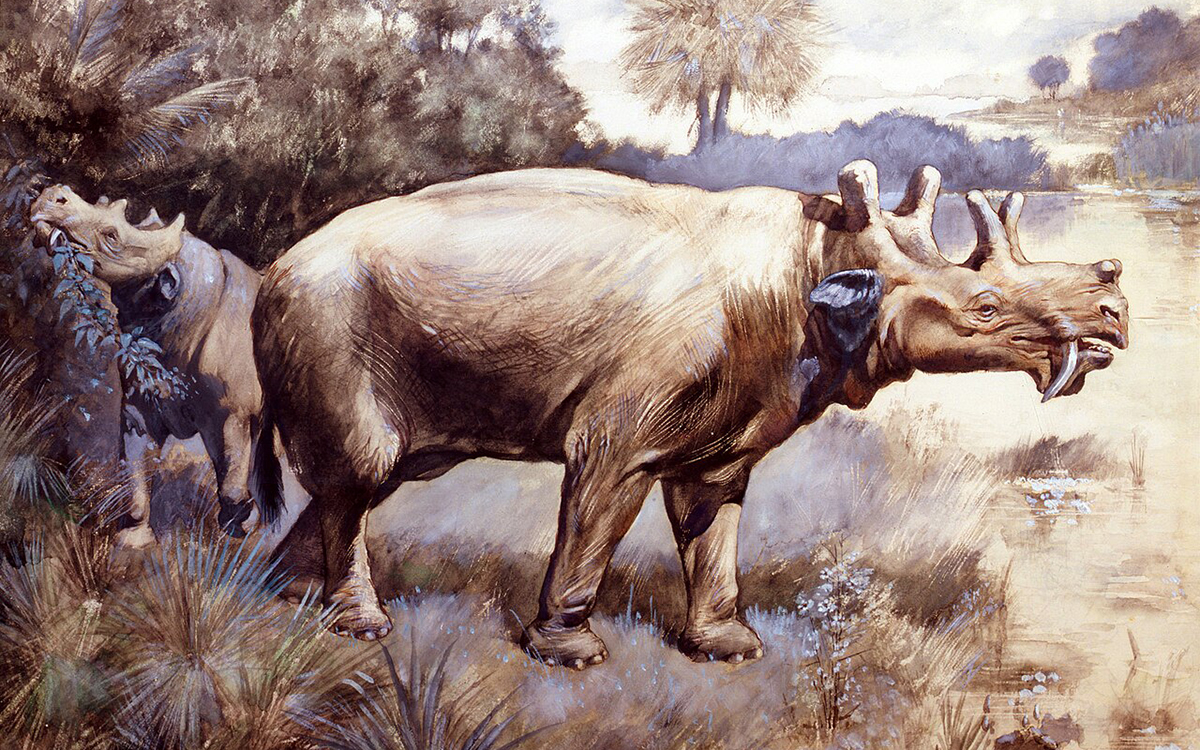
A new study from the University of Kansas appearing in the open-access, peer-reviewed journal PLOS One shows the differences between male and female uintatheres might not be as vast as paleontologists have long believed.
News Archive
Wed, 10/07/2026
A new study from the University of Kansas appearing in the open-access, peer-reviewed journal PLOS One shows the differences between male and female uintatheres might not be as vast as paleontologists have long believed.
Tue, 08/04/2026
A new study from the University of Kansas complicates the picture of primates living in North America some 55 million years ago during the Eocene. The research was published in the Journal of Human Evolution.
Thu, 07/09/2026
Recent research appearing in the journal Science overturns a long-held idea that flowering plants didn’t evolve large fruits and seeds until after the mass extinction of dinosaurs about 66 million years ago, when Earth was smacked by a giant asteroid.
Tue, 04/07/2026
KU has 55 graduate programs in the top 50 among public universities — including eight in the top 10 — in the latest U.S. News & World Report Best Graduate Schools rankings.
Thu, 01/29/2026
The KU Biodiversity Institute and Natural History Museum at the University of Kansas has named Christina Lutz as the vertebrate paleontology lead preparator and lab manager. In her role, Lutz will support the research and educational mission of the Vertebrate Paleontology division by preparing fossil material collected from the field and creating high-quality molds and casts of vertebrate fossils for use in research, teaching and public exhibits.